Vageesh Express


July 2006 Edition
Recipe of the Month

Recipe Of The Month
Let us be together,
Let us eat together,
Let us be vital together,
Let us be radiating truth, radiating the light of life,
Never shall we denounce anyone, never entertain negativity.
-The Upanishad

Indian cuisine
is As Diverse as Its Civilization
The
finest of India's cuisines is as rich and diverse as its civilization. It is an
art form that has been passed on through generations purely by word of mouth,
from guru (teacher) to vidhyarthi (pupil) or from mother to
daughter. The range assumes astonishing proportions when one takes into account
regional variations. Very often the taste, color, texture and appearance of the
same delicacy changes from state to state.
The
hospitality of the Indians is legendary. In Sanskrit Literature the three
famous words 'Atithi Devo Bhava' or
'the guest is truly your god' are a dictum of hospitality in India. Indians
believe that they are honored if they share their mealtimes with guests. Even
the poorest look forward to guests and are willing to share their meager food
with guest. And of particular importance is the Indian woman's pride that she
will not let a guest go away unfed or unhappy from her home. Indians are known
for their incredible ability to serve food to their guests - invited or
uninvited. Food customarily forms the crowning part of most festivities and
celebrations. Whatever the occasion Indians eat with great gusto and are adept
at finding reasons to feast and make merry. At traditional and festive meals,
the thali (plate) or banana leaf is
decorated with rangoli (a design
drawn with white and colored powders around the edges).
One
can eat a different Indian dish everyday, but still not repeat it for an entire
year! The food of India offers a staggering range of dishes to the gourmet with
an adventurous palate. Essentially spicy, the cuisine is, however, not always
hot. It is the different combination of a handful of spices that produce the
most delectable dishes in the world. In India, preparation of food is an art,
perfected over time and passed through generation by just word of mouth.
As
spring melts into summer, farmer’s markets area filled with seasonal fresh
produce. One of the nicest things about the arrival of summer is the sudden
availability of all sorts of tasty garden-grown vegetables after the cold
months. The fresh asparagus, zucchini and their flowers, bell peppers in their
many colors, tomatoes, melons and much more are not only colorful and add
crunch to taste, the vegetables add nutrients and fiber. In the following
recipe, the natural flavors of seasonal vegetables shine though the dish’s
abundance in tomato sauce. This is
delicious and very easy. The great part is to use whatever vegetables you
prefer that are in season.
Enjoy
this light and easy prepare “Zucchini Kurma”
together with “Carrot Pearl Payasam”.
The burst of flavors are so refreshing, and the sweet is a very nice way to
make kids eat veggies like carrot and a cool treat for summer time.
Zucchini Kurma
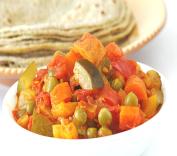
Ingredients:
2
- Fresh Zucchinis cut into big bite sized cubes
2 - Bell Peppers cut into small pieces (Add 1 Red Bell Pepper/1 Orange or Green
for color)
6-8 - Baby potatoes - cut into cubes
1 – Medium Carrot cut into cubes
1 Cup – Frozen fresh peas
1 Pound – chopped Cherry tomatoes
1 – Medium Onion chopped into small pieces
1 Tsp each – Red Chili powder; Turmeric powder
1 Tsp each - Cumin powder; Clove powder; Coriander
powder; Amchur (dried mango) powder
1 Tsp each - minced
garlic, cumin, mustard seeds and few curry leaves for tadka
1 Cup Coconut
milk/coconut powder
2-3 Tbsp oil or Ghee for Sautéing
Salt per taste
For
Garnish
Few springs of cilantro – finely chopped
Method:
Heat oil or ghee in a big Sauté Pan or Kadai on medium heat.
Add the minced garlic, cumin , mustard and curry leaves
First add the onion, then tomatoes, saute until they soften and then add the peas.
Add all the veggies listed above and sauté for few minutes, until they soften.
Stir in the chili powder, turmeric, cumin-coriander-clove-cinnamon powder and amchur powder.
Mix to combine. Simmer another 10 to 15 minutes, covered on medium heat, stirring in-between.
Add 1 cup of water and mix. Cover and simmer for about 10 to 15 minutes on medium heat.
Continuously stir and take care not to burn the mixture.
Add coconut milk/coconut powder in the end.
Sprinkle in salt and mix thoroughly.
Finally add chopped cilantro while serving. Server with hot Phulkas/Roti
Carrot Pearl (Sago) Payasam

Ingredients:
4 – Medium
Carrots
½ Gallon Milk
½ Cup Water
3-4 Tbsp – Sago/ Sabudana
½ Tsp - Ghee
Sugar as per
taste
For
Garnish
Elaichi powder, Saffron, Chopped Cashews and Badams
Method:
Pressure cook carrots until soft, cool and grind into paste.
Boil milk and keep aside.
Heat Ghee in Kadai and fry Sago till it pops open.
Boil the fried Sago with Water and Drain water completely and keep aside.
Take a heavy bottom vessel pour the carrot paste and water.
Boil this mixture for 5 minutes over medium flame, add milk and cook for 10 minutes.
Add sugar, stirring continuously and cook for another 5 minutes.
Garnish later with Elaichi powder, Saffron, fine pieces of Cashews and Badams.
Serve it chilled or warm.
 Kitchen Tip - Storing Veggies:
In general, a refrigerator set at 35 degrees to 50 degrees provides good storage for small quantities of fruits and vegetables. Vegetable or crisper drawers provide slightly warmer storage. If moist storage is necessary, use plastic bags to hold in moisture. Store sweet Bell Peppers in crisper for 3 -4 days. Tomatoes - Don't refrigerate. Let them ripen on the kitchen counter.
Submit feedback to newsletter@mahaganapati.org with subject line as <Recipe> Disclaimer: Views of readers/column writers are that
of their own and not of the Temple
How long: 3 to 5 weeks (if green).
