
Significance of the Month of November in Hindu Calendar
The
Hindu
month of Maargasira - (November/December) commences with the greatest celebrations of
the Sikhs - Guru Nanak Jayanti
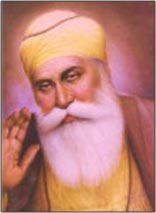
Significance Guru Nanak Jayanti!
Guru Nanak Dev,
the founder of the Sikh faith, was born in the month of Kartik
(October/November), and his birthday is known as Guru Nanak Jayanti.
He was born in 1469 A.D. at Tolevandi some 30 miles
from
The
anniversaries of Sikh Guru's are known as Gurpurabs
(festivals) and are celebrated with devotion and dedication. GurPurabs
mark the culmination of Prabhat Pheris,
the early morning procession that start from the Gurdwaras
(Sikh temples – Gum’s Gate) and then go around localities singing 'shabads' (hymns). The celebrations also include the
three-day Akhand
path, during which the holy book, the Guru Granth
Sahib is read continuously, from beginning to end without a break. On the day
of the festival, the Granth Sahib is also carried in
a procession on a float, decorated with flowers, throughout a village or city.
Five armed guards, who represent the Panj Pyares, head the procession carrying Nishan
Sahibs (the Sikh flag). Local bands playing religious music form a special part
of the procession. Sweets and langar or community
lunches are also offered to everyone irrespective of religious faith. Men,
women, and children, participate in this karseva as service to the
community, cook food and distribute it in the 'Guru ka Langar', with the traditional 'Karah Prasad'.
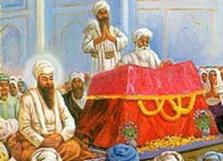 Sikhs also visit gurdwaras where special
programs are arranged and kirtans (religious songs) are sung. Houses and gurdwaras are lit up to add to the festivities. Guru Nanak Dev's life served as a beacon light for his age. He was a
great seer, saint and mystic. He was a prolific poet and a unique singer of
God's laudation. A prophet of peace, love, truth and renaissance, he was
centuries ahead of his times. His universal message is as fresh and true even today
as it was in the past and Sikhs all over the world practice what Guru Nanak Dev
preached, to reaffirm their beliefs in the teachings of their founder.
Sikhs also visit gurdwaras where special
programs are arranged and kirtans (religious songs) are sung. Houses and gurdwaras are lit up to add to the festivities. Guru Nanak Dev's life served as a beacon light for his age. He was a
great seer, saint and mystic. He was a prolific poet and a unique singer of
God's laudation. A prophet of peace, love, truth and renaissance, he was
centuries ahead of his times. His universal message is as fresh and true even today
as it was in the past and Sikhs all over the world practice what Guru Nanak Dev
preached, to reaffirm their beliefs in the teachings of their founder.
According
to Adi Granth teachings "There
is one God, Eternal Truth is His Name; Maker of all things, fearing nothing and
at enmity with nothing; Timeless is His Image; Not begotten, being of His own
being; By the grace of the Guru made known to men. As he was in the beginning,
the Truth; So throughout the ages He ever has been,
the Truth; So even now He is the Truth Imminent; So for ever and ever, He shall
be Truth Eternal." These words express the basic belief of Sikhs. Idolatry
is forbidden and True worship consists in singing God's praises and in
meditating on His Name.
God
is the Supreme Guru, "Satnam, Wah Guru" (The True Name, The Wondrous Teacher). The
Ten Gurus are revered because God spoke through them. Nanak had no other Guru
but God. His followers, however, reach God through Guru Nanak and the other
nine. When the line ended, the God-given "Word of the Gum", remained
embodied in the Granth and the temporal function of
the Guru was bestowed on the Khalsa. A copy of the Granth is kept in every Gurudwara.
After the Tenth Guru, the Granth is worshipped as the
mystic personality of the Gurus. The main shrine of the Sikhs is the Golden
Temple of Amritsar, in Punjab. The
Submit feedback to newsletter@mahaganapati.org with subject line as <Reader Articles> Disclaimer: Views of readers/column
writers are that of their own and not of the Temple
 Source: http://festivals.iloveindia.com/gurunanak-jayanti/index.html