November 2006 Edition
Vageesh Express



Let us be together,
Let us eat together,
Let us be vital together,
Let us be radiating truth, radiating the light of life,
Never shall we denounce anyone, never entertain negativity.
-The Upanishad

Indian cuisine
is As Diverse as Its Civilization
The
finest of India's cuisines is as rich and diverse as its civilization. It is an
art form that has been passed on through generations purely by word of mouth,
from guru (teacher) to vidhyarthi (pupil) or from mother to
daughter. The range assumes astonishing proportions when one takes into account
regional variations. Very often the taste, color, texture and appearance of the
same delicacy changes from state to state.
The
hospitality of the Indians is legendary. In Sanskrit Literature the three
famous words 'Atithi Devo Bhava' or
'the guest is truly your god' are a dictum of hospitality in India. Indians
believe that they are honored if they share their mealtimes with guests. Even
the poorest look forward to guests and are willing to share their meager food
with guest. And of particular importance is the Indian woman's pride that she
will not let a guest go away unfed or unhappy from her home. Indians are known
for their incredible ability to serve food to their guests - invited or
uninvited. Food customarily forms the crowning part of most festivities and
celebrations. Whatever the occasion Indians eat with great gusto and are adept
at finding reasons to feast and make merry. At traditional and festive meals,
the thali (plate) or banana leaf is decorated
with rangoli (a design drawn with
white and colored powders around the edges).
One
can eat a different Indian dish everyday, but still not repeat it for an entire
year! The food of
Our
culinary traditions have been handed down generations orally, from mother to
daughter. Fragments of memory and little modifications along the way, but at
best we have a comprehensive culinary record of what - the last two hundred
years? It is our ability to transform whatever is at hand into something that
our heart immediately knows is ours - 'Indian',
if you want to call it that is perhaps the cornerstone of all Indian cooking;
something that unites all Indian states and regions. This month’s recipe is called
the Balti Recipe. "Balti"
is Indian dishes representatives of a style of cooking which some say is native
to Baltistan (Baltistan
is often called "little Tibet" the adjoining territory of Baltistan forms
the west extremity of Tibet also known as Baltiyul in the Balti language, is
a region to the north of Kashmir). It’s a
kind of curry. Its ingredients usually assembled and cooked quickly in a manner
reminiscent of a stir-fry. The heart of this style of cooking is a cast-iron
pot, originally also called Balti.
Balti evolved into a half-hemisph
Spicy Balti
Potatoes
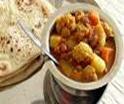
Ingredients:
6 - Medium sized potatoes, cut into
cube size
2 - Medium-sized onions, sliced
1 Tsp - Coriander, chopped
1 Tsp - Dried red chili, crushed
1- Green chilli,seeded
½ Tsp - White cumin seeds
1½ Tsp – Panch Pohran
(spices of Onion seed, Mustard, Fenugreek seeds, Cumin and Fennel seeds)
½ Tsp Fresh root ginger, shredded
3 Tbsp – Cooking oil
Few Curry leaves
Salt per taste
For
Garnish
Garnish with few chopped coriander leaves.
Method:
Boil potatoes in the cooker with some extra water.
Heat oil in a wok until very hot
Lower heat and add the spice mix and stir-fry for a minute or so
Add the onion slices and fry for a further 5 minutes or until the onions are golden brown
Add the potatoes, coriander red and green chilies to the wok (balti) and mix well
Cover tightly with a lid and cook over very low heat for about 5 - 7 minutes or until the potatoes are tender
Remove the lid and transfer to a serving plate
Traditionally Balti
potatoes are served in the vessel it is cooked in certain parts of north
east
White Halwa or
Dhoodhi ka Halwa
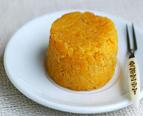
Instead
of preparing from scratch, this dessert can be made easily.
Ingredients:
4 Cups - Grated pumpkin (White)
2 Cups - Sugar
1½
Cups – Milk
3 Tbsp Ghee
1 Tbsp Elaichi powder
2 Tbsp Raisins
2 Tbsp Cashews
Method:
Pour the
milk in a deep and wide pan (not non-stick) and bring it to boil
Grate the
pumpkin and keep aside
Once the
water drains out, squeeze out the rest of the water
Fry the nuts
and raisins and then add the grated pumpkin in ghee and fry a little while
Then add milk
and cook till soft and dry
Add sugar
and cook until dry
Add elaichi
powder and serve hot
Garnish with
cashews and raisins
Enjoy
the recipes! Keep it simple! Keep it Authentic! Keep it Indian!
 Kitchen Tip – Choose firm, well-shaped pumpkins
that are heavy for their size and have a hard, tough skin. Do not choose those that
have sunken or moldy spots, punctures and cuts. Also, slight variations in skin
color do not affect flavor. A tender rind indicates immaturity, which is a sign of poor quality in winter
varieties.
Kitchen Tip – Choose firm, well-shaped pumpkins
that are heavy for their size and have a hard, tough skin. Do not choose those that
have sunken or moldy spots, punctures and cuts. Also, slight variations in skin
color do not affect flavor. A tender rind indicates immaturity, which is a sign of poor quality in winter
varieties.
Submit feedback to newsletter@mahaganapati.org with subject line as <Recipe> Disclaimer: Views of readers/column
writers are that of their own and not of the Temple
