Vageesh Express


Recipe Corner

Vageesh Express
Recipe Corner
Let us be together,
Let us eat together,
Let us be vital together,
Let us be radiating truth, radiating the light of life,
Never shall we denounce anyone, never entertain negativity.
-The Upanishad

Indian cuisine is As Diverse as Its Civilization.
The
finest of India's cuisines is as rich and diverse as its civilization. It is an
art form that has been passed on through generations purely by word of mouth,
from guru (teacher) to vidhyarthi (pupil) or from mother to
daughter. The range assumes astonishing proportions when one takes into account
regional variations. Very often the taste, color, texture and appearance of the
same delicacy changes from state to state.
The
hospitality of the Indians is legendary. In Sanskrit Literature the three
famous words 'Atithi Devo Bhava' or
'the guest is truly your god' are a dictum of hospitality in India. Indians
believe that they are honored if they share their mealtimes with guests. Even
the poorest look forward to guests and are willing to share their meager food
with guest. And of particular importance is the Indian woman's pride that she
will not let a guest go away unfed or unhappy from her home. Indians are known
for their incredible ability to serve food to their guests - invited or
uninvited. Food customarily forms the crowning part of most festivities and
celebrations. Whatever the occasion Indians eat with great gusto and are adept
at finding reasons to feast and make merry. At traditional and festive meals,
the thali (plate) or banana leaf is
decorated with rangoli (a design
drawn with white and colored powders around the edges).
One
can eat a different Indian dish everyday, but still not repeat it for an entire
year! The food of India offers a staggering range of dishes to the gourmet with
an adventurous palate. Essentially spicy, the cuisine is, however, not always
hot. It is the different combination of a handful of spices that produce the
most delectable dishes in the world. In India, preparation of food is an art,
perfected over time and passed through generation by just word of mouth.
The
Margazhi Maassam – the Tamil month is
of great importance because Lord Krishna says in the Bhagavad Gita that he is Margazhi among the twelve months. Temples
throughout Tamilnadu will be opened very early – usually Brahma Muhurtha is considered to be best time to perform poojas
(4am – 6am) and is supposed to be sacred from all aspect. Thus it's rendered to the God himself in aim of attaining
prosperity and blessings, hoping god showers with all good luck. After pooja
most of the temples will offer to the devotees this pleasing and easy
digestible food as prasadam called “Kicharee”.
Even Ayurveda recommends this
delicacy to be eaten regularly which balances all the three doshas (Vata, Pitta and Kapha). Kicharee is a wonderfully balancing meal that is suitable
for all body types. It is very light to digest and is very nourishing. Enjoy
this warm comforting food for the month ‘Kicharee’!
Mooga Gaathi- with Sprouted Mung Beans
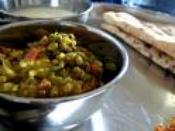
Ingredients:
4 Cups - Sprouted Mung beans
2 Tbsp- Fresh coconut gratings
Small piece - Nutmeg
3 - Cloves
1 tsp - Coriander seeds
¼ tsp - Black Peppercorn
2 - Dried red chilies
¼ tsp - Turmeric
Salt as per taste
For Tadka
1 Tbsp - Ghee or oil
Few curry leaves
¼ tsp each - cumin, mustard seeds and asafetida
Method:
Preparation for
Pesarattu
· Place a wide pot on stove-top and heat.
· Add and dry-roast the nutmeg, cloves, coriander seeds, black pepper and dried red chilies to fragrance.
· Remove them to a mixer. Add fresh coconut and grind to smooth paste. For easy blending, add about half cup water.
· In the same pot, take sprouted moong beans. Add about 2 to 3 cups of water and stir in salt. Cover and cook.
· When moong beans reach required level of tenderness, add the ground-spice paste, tamarind and turmeric. Mix well and simmer on medium heat.
· While the moong is simmering, do the Tadka.
· In a small skillet, heat oil until a curry leaf tossed in it sizzles. Add and toast curry leaves to pale gold.
· Next goes the cumin, mustard seeds and asafetida. Wait for the mustard seeds to splutter.
· Immediately add the skillet contents to simmering Mung beans.
· Mix, reduce heat and simmer for another five to ten minutes to blend the flavors.
·
Serve as snack or
spoon into a small bowl and enjoy with rice or chapattis.
Banana Biscuits

Ingredients:
1 Cup - Maida (or all-purpose flour)
1 Ripe banana
2 Tbsp - Sugar
A pinch - Salt
1 Tbsp - Melted ghee
¼ tsp - Cardamom powder
Oil to deep-fry
Method:
· Blend or mash banana and sugar to smooth consistency. Add to flour.
· Stir in cardamom and ghee. Mix to prepare tight dough. Rest for an hour.
· Divide the dough to lemon sized rounds and roll out each round to a thin circle.
· Cut to squares and deep-fry to gold. Regular chapatti style pressing yields soft and chewy biscuits.
· For crispy and crunchy biscuits, press out the dough to thin.
Enjoy the recipes! Keep it simple! Keep it
Authentic! Keep it Indian!
 Kitchen
Tip – Buying
tips for sprouts: Look
for: Fresh, crisp sprouts. The tips should be moist and tender. (The shorter
the sprout, the more tender it will be.) It is sometimes difficult to judge
bean sprouts packed in plastic bags, but you can see through to tell if the tip
of the sprout looks fresh. Sprouts sold from water-filled bowls should be
refrigerated, protected
Kitchen
Tip – Buying
tips for sprouts: Look
for: Fresh, crisp sprouts. The tips should be moist and tender. (The shorter
the sprout, the more tender it will be.) It is sometimes difficult to judge
bean sprouts packed in plastic bags, but you can see through to tell if the tip
of the sprout looks fresh. Sprouts sold from water-filled bowls should be
refrigerated, protected
from dirt and debris, served with
a spoon or tongs, not scooped up by hands. Refrigerate sprouts in a plastic bag to keep
them moist and crisp.
Submit feedback to newsletter@mahaganapati.org with subject line as <Recipe> Disclaimer: Views of readers/column writers are that
of their own and not of the Temple